

Player spotlight:
Rocco Roncarati
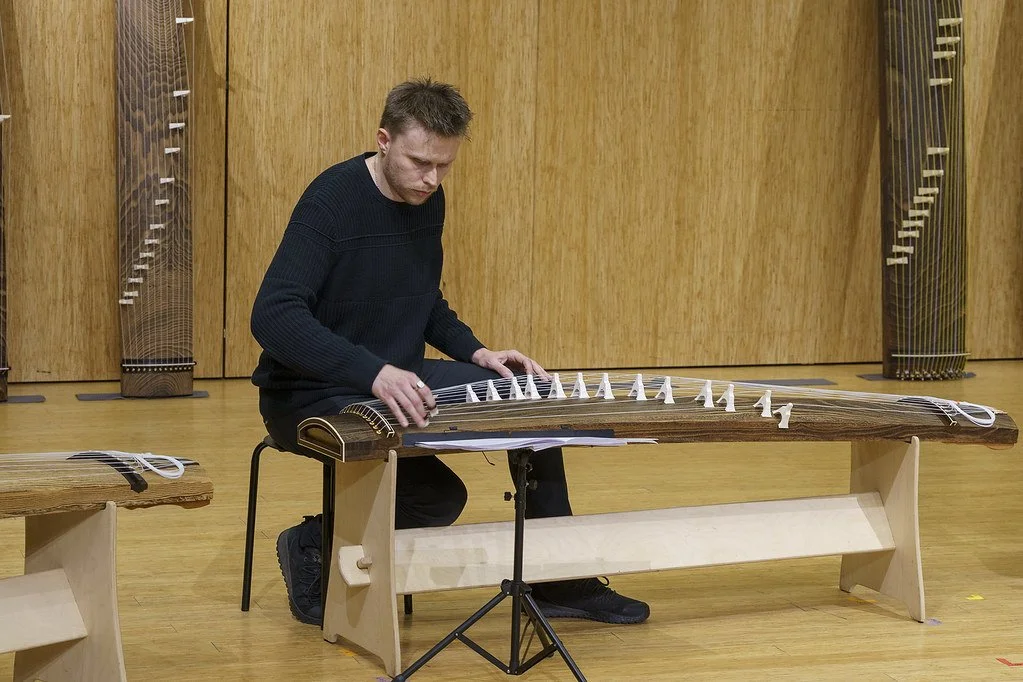
Mindfulness through koto
My introduction to the koto came through my work at Portland Japanese Garden. Part of my job is scheduling and staffing our Cultural Corner series, which features bite-sized demonstrations and performances of traditional Japanese arts, crafts, and music. Over the years, I've had the privilege of watching Mitsuki-sensei and Oregon Koto-Kai perform many times. At first, I simply enjoyed listening, but little by little my appreciation for the instrument grew until I found myself thinking about the koto constantly and searching for recordings online.
When it comes to music, I listen to a lot of metal, so learning that there are composers out there like Hikaru Sawai, who infuses rock and metal techniques into his koto compositions blew my mind. My own personal musical instrument experience consists of mandatory recorder lessons in 3rd grade and playing brass in middle school band class. I’ve dabbled in learning bass guitar and piano, but I quickly discovered how difficult it is to learn an instrument without a teacher. Koto brought together everything I wanted, from a musical outlet to a deeper dive into Japanese culture. Learning under Mitsuki-sensei’s guidance has felt so natural and rewarding.
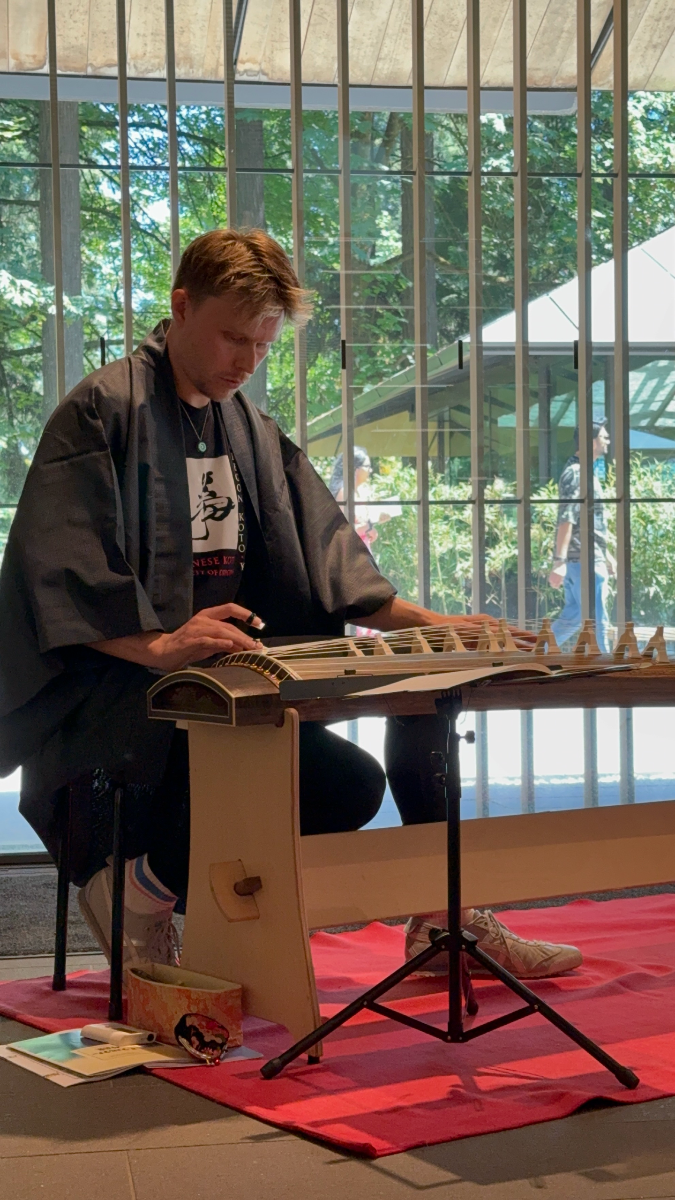
It's no secret that one of my favorite pieces is Midnight Rain, composed by Elizabeth Falconer. I consider it the catalyst that started my koto journey. So when, after a couple of years of lessons, Mitsuki-sensei handed me the sheet music for Midnight Rain, it felt surreal. It felt like an “everything so far has led to this” kind of moment. Performing the very piece that first inspired me—in the same place where I had first heard it—will be one of my favorite memories as a koto player. Mitsuki-sensei sets her students up for moments like this, even when life has other plans.
About a month before my first recital, my car was broken into, and the bag containing my koto picks, sheet music, and tuner was stolen. I felt so terrible about it because we had just gone through the process of fitting the picks to my hand, and Mitsuki-sensei lent me a beautiful case to keep them in. I immediately emailed her to apologize and to ask for guidance on what to do. Of course, her response was very reassuring and gracious. She essentially reminded me that even though they were personal belongings, they were just things - they can be replaced, and new attachments will eventually form. The next day, she mailed me another copy of the sheet music and a set of adjustable picks to use as a temporary replacement so that I could continue practicing and perform at the summer recital.
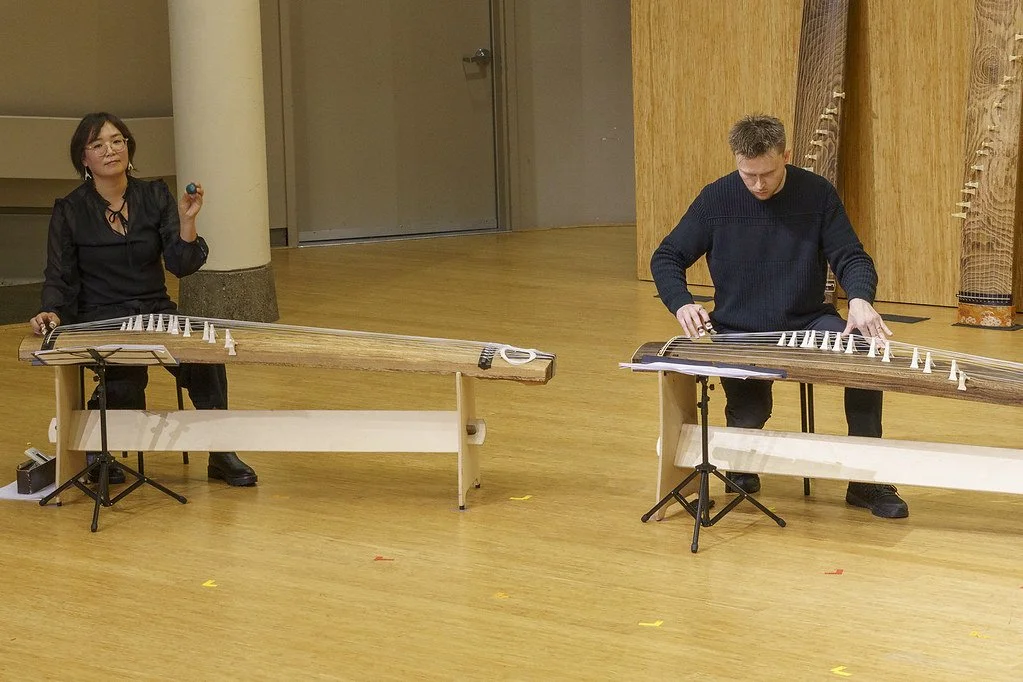
Koto has taught me mindfulness. There is a certain degree of mindfulness that naturally comes with playing the koto, both from the experiences along the way, but also from simply setting up and breaking down the instrument before each session. There’s no shortcut, so one learns to appreciate the process just as much as the result.
My biggest joy comes from playing ensemble pieces. I’m definitely a “support” type of person, so I don’t like being the center of attention but rather a reliable presence among the group. I’m surrounded by so many talented musicians, so I practice hard to make sure I can contribute my part and support the group as best I can. When all of the practicing comes together and the full sound of the music comes out, it’s an incredible feeling!