

Player spotlight:
Lindsay Emiko Brooks
Connecting with the past
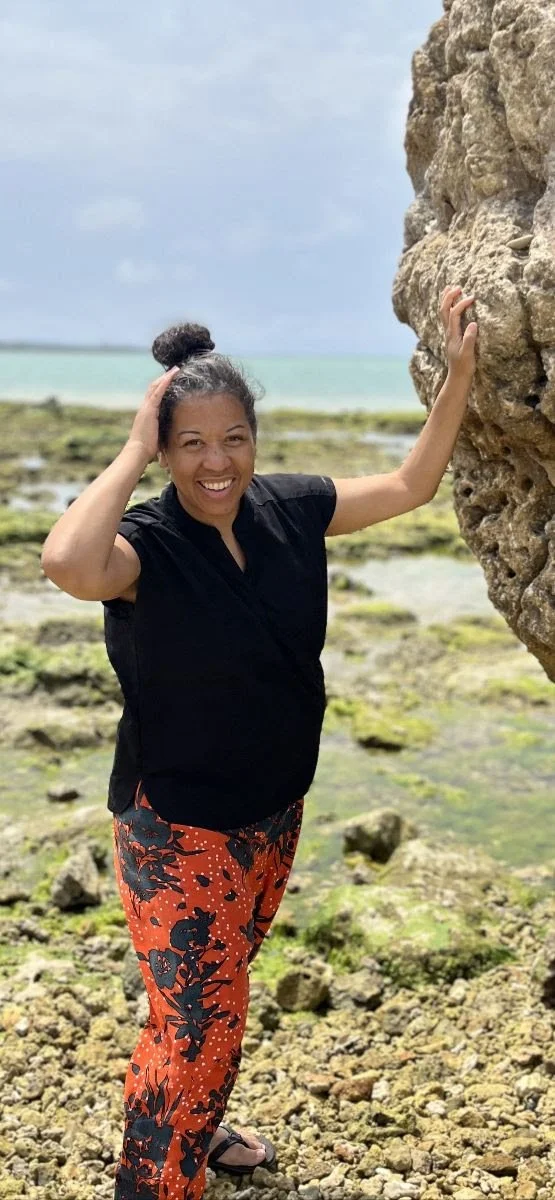
Koto has been a way for me to share my heritage and communicate beautiful messages to people without words. I am a third-generation Japanese American with ancestral roots from the islands of Kyushu and Okinawa. My grandfather, whom I still remember, was born in 1904, and my grandmother, who passed in recent years, lived to the age of 105. Now that they are both gone, there are questions answered and others remain unanswered.
While there were many aspects of Japanese life and culture that I experienced growing up in the Portland area, we naturally understood and lived an American lifestyle. It was only later in my thirties that I began seeking and discovering more information and experiences to understand life in Japan. With the help of my husband, we obtained vital historical family documents and clues to piece together mysteries of times past, and have enjoyed exploring the Japanese Islands.
In 2020, life changed for everyone, and I had forged a newfound interest in exploring traditional Japanese music. Due to travel restrictions in and out of Japan, I was in a way "homesick." My heart missed the sounds of the Shinkansen, the changing of the seasons, and the sight of Sakurajima. With that, I decided to bring Japan closer to my reach by searching for teachers of traditional instruments of Japan, such as shamisen or Koto. At the time, I was living in the Eugene-Springfield area and found, to my surprise, Mitsuki sensei giving lessons in the area. I soon discovered the koto as a beautiful and challenging instrument that added depth and color to everyday life. Every time I would play and follow Sensei's instructions, I felt closer to home. Since then, I have continued playing and enjoy being a member of the Oregon Koto Kai.
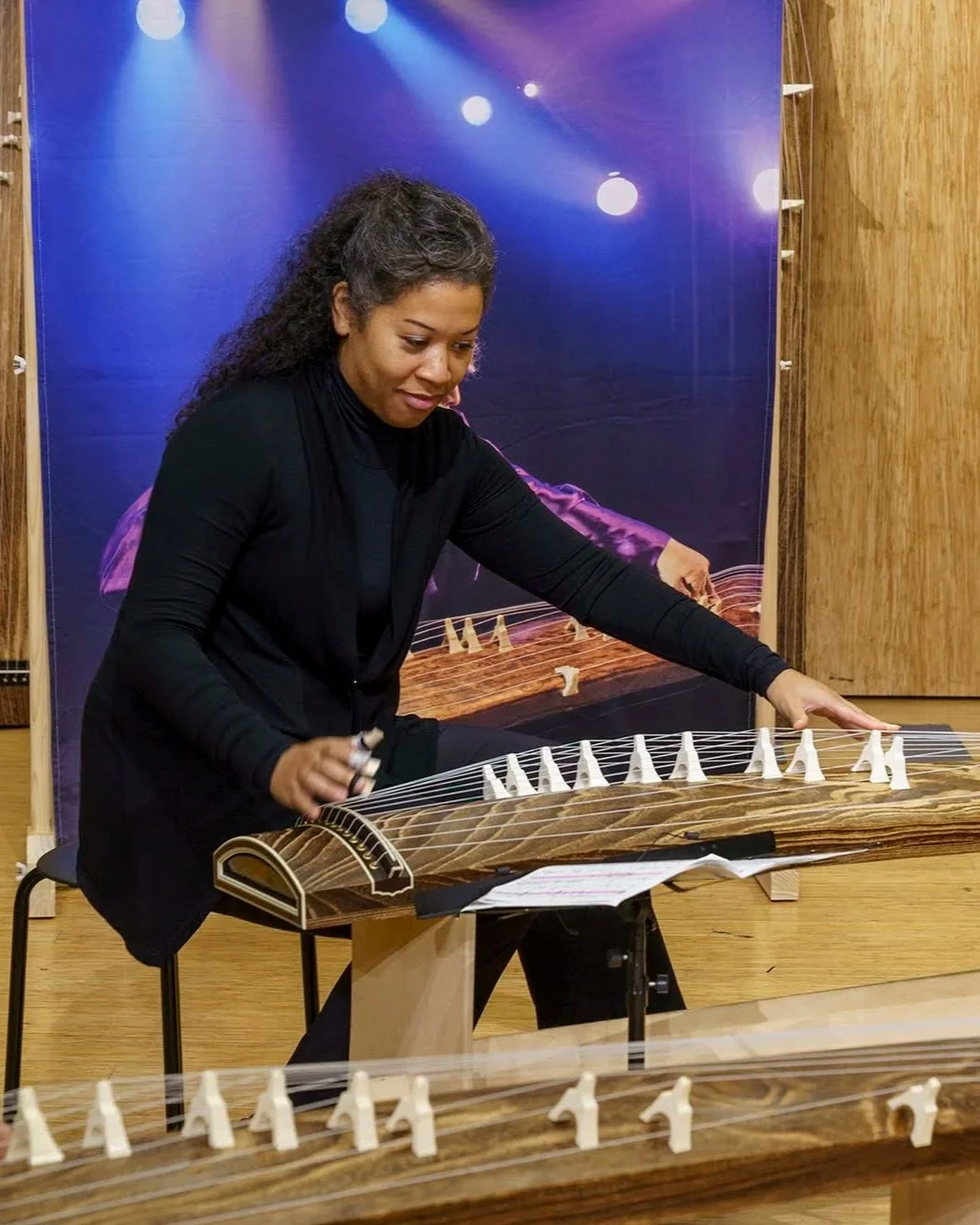
Many people ask what are some of the challenges faced with playing koto, and I would emphasize that fun challenges lie in the Western-trained ear - to learn new patterns, scales, and counterparts that are often different than standard major and minor scales. Sometimes I find myself still having brain freezes when I’m sight-reading new pieces, especially since we are reading sheet music written with Kanji symbols top to bottom, right to left!
Since I started playing koto, some major highlights include meeting all the wonderful friends at OKK. It is such a joy to be around such positive people and working together to bring music to the community. I have also really enjoyed our ensemble lessons and preparing to play for our community concerts and at the Portland Japanese Garden, where there is an overwhelming amount of curiosity and appreciation of Japanese culture by guests.
I feel the Koto gives a great cultural experience, but also the friendships and the camaraderie with OKK is quite special. I look forward to our group ensembles and creating wonderful sounds together in the future. Truly, playing the koto allows me to journey deeper into Japanese cultural traditions through music. Koto is a way for me to share my heritage and communicate beautiful messages to people without words.